flowers
What Flowers and Their Colours Actually Say
How rose colours, white flowers and lilies are read by South African recipients, and what is safe to send when you do not know someone well.
Straight to the gifts: Shop flowers Valentine's gifts Anniversary gifts Sympathy gifts
Most people read the gesture, not the botany
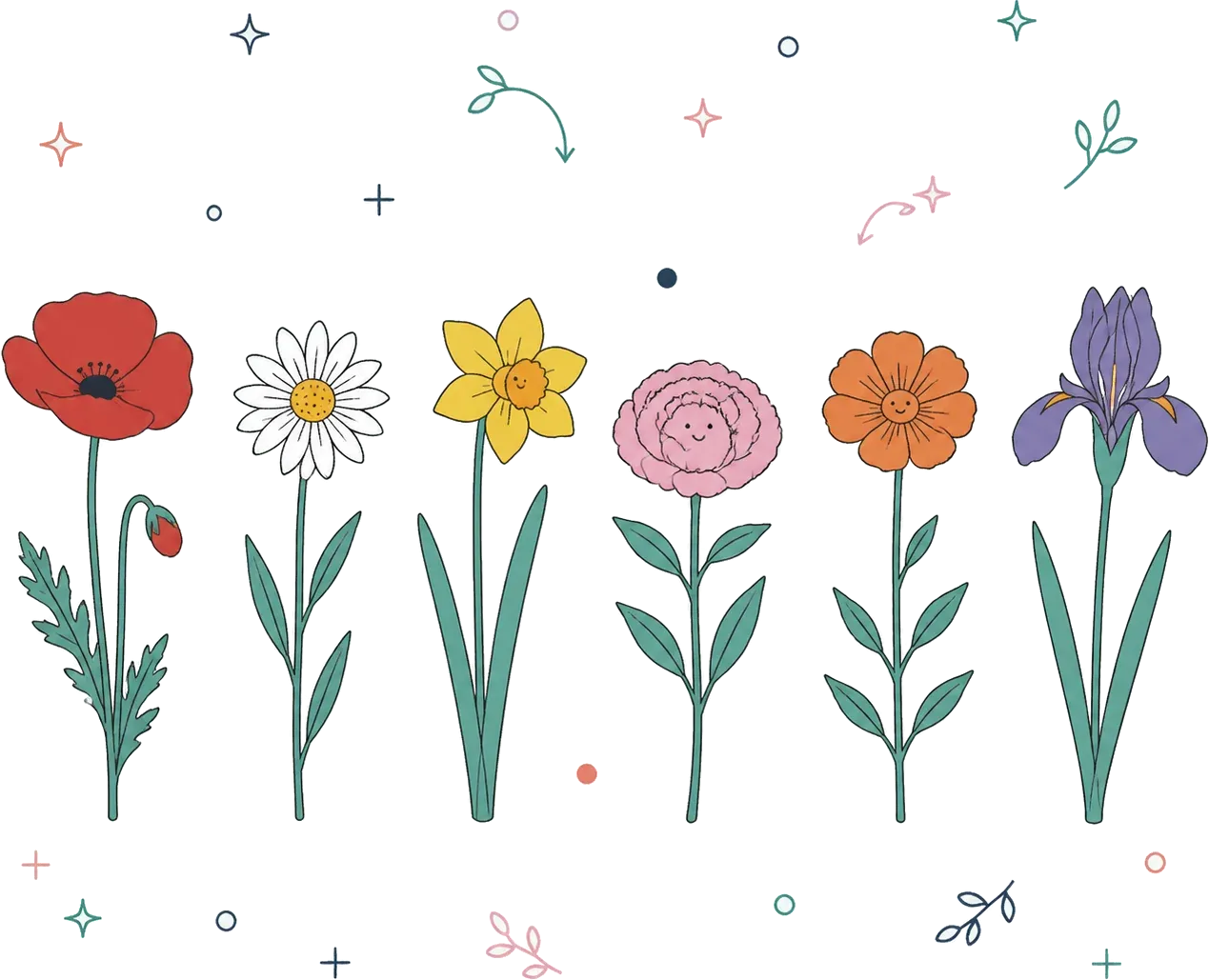
If you are worried that a flower carries a secret meaning you might get wrong, relax: most people receiving flowers cannot recite the traditional meaning of a single bloom, and they are not going to look it up. What they read is the gesture. Someone thought of me, spent money on me, went to the trouble. The Victorian flower dictionary, where a striped carnation meant refusal and rosemary meant remembrance, is dead outside wedding blogs, and pretending otherwise turns a simple kindness into an exam.
Colour is the exception. A few colour associations are strong enough that almost everyone carries them without knowing where they came from. Red means romance. White means solemnity. Bright mixed colour means cheerfulness. Those three will be read whether you intend them or not, so they are the ones worth getting right.
Roses: the one code everyone knows
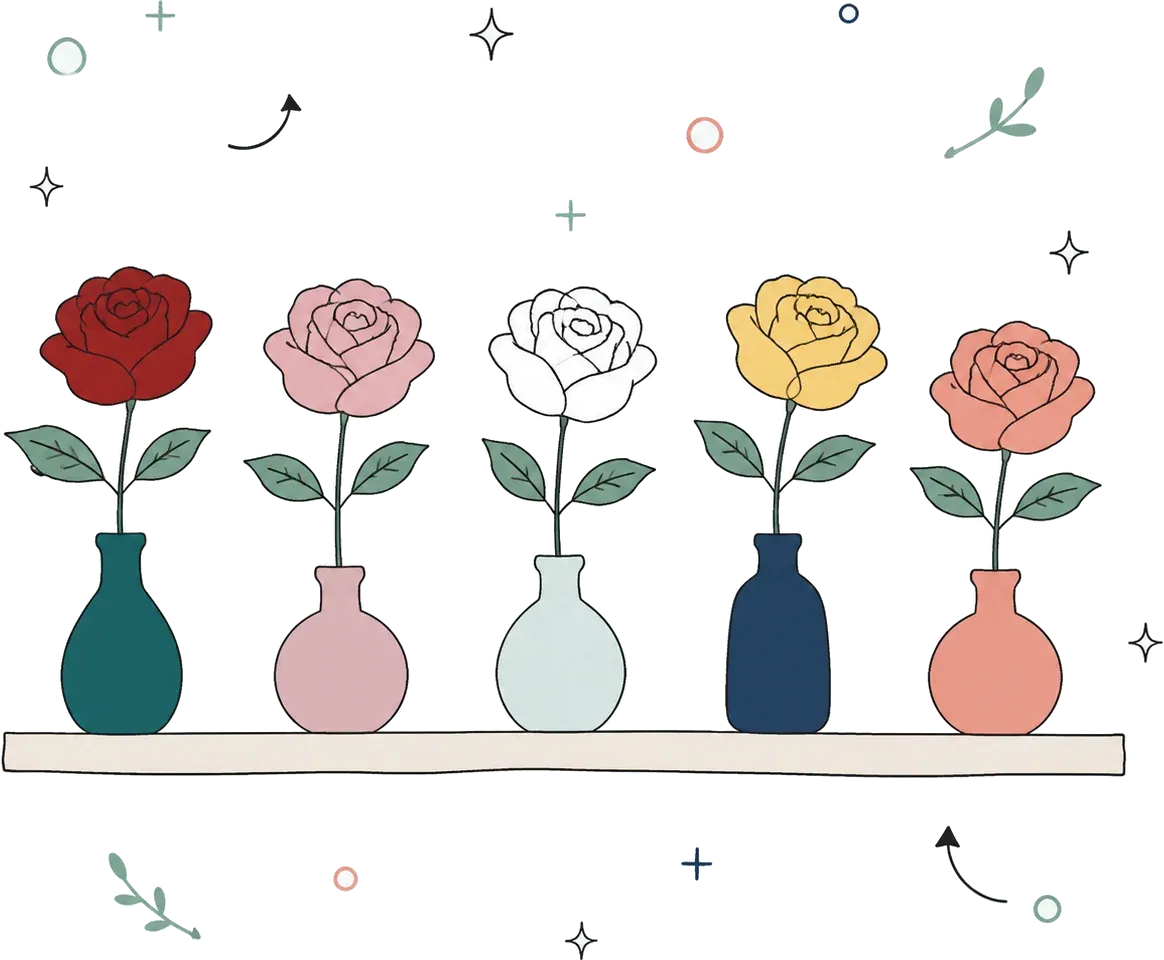
Red roses mean romantic love, full stop. In South Africa as anywhere else, that reading is so strong that red roses cannot be sent innocently. To a spouse or partner, perfect. To a colleague, a friend, your child’s teacher or your boss, they say something you almost certainly do not mean, and the recipient has to spend energy working out whether you meant it.
Pink is the useful workaround. Pink roses carry warmth and affection without the romantic charge: right for a mother, a daughter, a friend, a colleague you genuinely like. Soft pink reads gentler, hot pink reads livelier, and neither will be misread.
White roses read as formal and pure. They belong at weddings and in sympathy arrangements, and they can feel cold as a birthday gift unless the recipient loves that clean look.
Yellow roses are friendship and cheer. They are among the safest roses to send, and one of the few that work in an office without comment. An old superstition that yellow means jealousy surfaces now and then, but few people still carry it, and fewer act on it.
White flowers: sympathy, weddings, or just elegant
White is the colour most likely to trip people up, because it points two ways. In an obvious sympathy context, a death, a funeral, a hard diagnosis, white flowers are exactly right: quiet, respectful, unshowy. That is what to send when someone has died.
Outside that context, white does not automatically mean mourning. An all-white bouquet on a birthday or an anniversary reads as elegant, not funereal, especially for someone whose home runs to that style. The tipping point is combination: white flowers plus lilies plus a solemn card starts to look like condolences. White tulips mixed into a colourful bunch look like nothing except tulips.
The practical rule: white on its own is fine unless the timing could be misread. If the recipient has recently lost someone, or is seriously ill, an all-white arrangement will land on the sympathy side whether you meant it or not. Add colour if that is not the message.
Lilies and the funeral question
Large white lilies have a genuine funeral association in South Africa. They are a staple of sympathy arrangements, and many people connect that heavy lily scent with funerals they have sat through. That does not ban them. Pink and spotted varieties in a mixed bouquet read festive, and plenty of people simply love lilies.
But an all-white lily arrangement sent without an obvious happy occasion attached is the easiest way to send an accidental condolence. If in doubt, mix them or skip them.
One warning that has nothing to do with meaning: lilies are seriously toxic to cats, pollen included. If the recipient has a cat, choose something else. This outweighs every point about colour and symbolism on this page.
Safe choices when you do not know the person well
When you do not know the recipient’s taste, home or situation, choose brightness and mixture. A colourful mixed bouquet in oranges, pinks and yellows carries one message only: celebration and goodwill. It cannot be misread romantically, it cannot be misread as sympathy, and it does not depend on the recipient sharing your taste.
Some specific safe picks. Gerberas read cheerful to everyone. Chrysanthemums and alstroemeria are friendly and last well in a vase. Proteas and fynbos read proudly local and suit someone whose style is a mystery, because they are striking without being romantic. Sunflowers are the closest thing to a flower that only ever means happiness.
What to avoid on low information: anything red, for the romance reading. All white, for the sympathy reading. Strongly scented flowers, because scent divides people in a way colour does not. And lilies, for the reasons above.
The card does the talking
Whatever the flowers say, the card says it louder. A bright bouquet with “deepest sympathy” on the card is a sympathy gift. Red roses with “congratulations on the promotion” become a slightly odd congratulations gift rather than a declaration. If you are nervous about the message the flowers might carry, write the message you mean in words, because the recipient will trust the card over the colour every time.
That is the real order of meaning in 2026: gesture first, card second, colour third, and the individual species a distant last. Get the first two right and the flowers can be almost anything.
Ready to turn the thought into a gift?