plants
Sending a Plant Instead of Cut Flowers
The trade at the heart of gifting a plant: it lasts for years but asks for care. Who should get one, who should not, and how delivery differs.
Straight to the gifts: Shop plants Sympathy gifts Thank you gifts Birthday gifts
The trade: a gift that lasts is a gift that asks
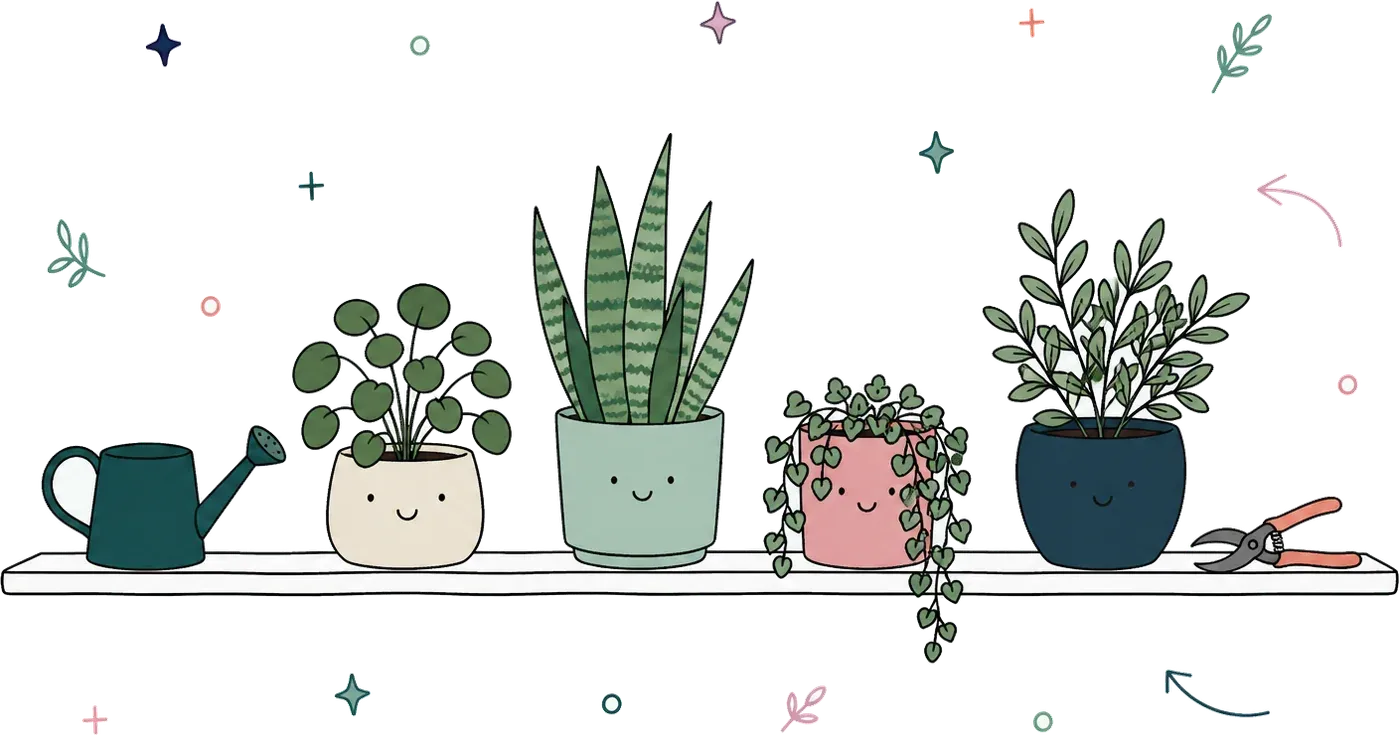
Cut flowers give everything at once and ask nothing: a week or two of beauty, then the bin, no obligations. A plant reverses the deal. It can last years, sit on a shelf as a permanent reminder of you and the occasion, and cost less than the bouquet it replaced. In exchange it hands the recipient a small job for as long as it lives: water, light, attention, and a twinge of guilt if it dies.
That trade is the entire decision. A plant is the better gift exactly when the recipient will experience the job as a pleasure, and the worse gift when they will experience it as a chore with your name on it.
Who should get a plant
The obvious case is the person who already keeps plants. Look at their windowsill, their desk, their photos: if greenery is already there, a new plant joins a hobby and you cannot really miss. The known plant-lover is the one recipient for whom a slightly demanding, interesting plant is welcome, because the demand is the fun.
The less obvious good cases: the person settling into a new home, where a plant helps a bare place feel lived in. The person marking a long milestone, a wedding, a retirement, a big birthday, where something that grows fits the story in a way something that wilts does not. And the office or shop being congratulated on an opening, where one good plant furnishes the space.
Who absolutely should not
Do not send a plant to the person who jokes about killing plants. They are not joking, they are warning you, and the gift will become a small ongoing failure in their home. Do not send one to someone in a hospital bed or mid-crisis, who has no capacity for even a tiny new duty, and check first in any case because many hospital wards do not allow plants or flowers at all. Be careful with rentals, small flats and people who move often or travel constantly: a plant anchors a person to a place and a routine they may not have.
And know the pet rule: many popular houseplants, lilies above all but also several common glossy-leaved favourites, are toxic to cats and dogs. If the household has animals, either confirm the specific plant is pet-safe or choose flowers.
Match the plant’s demands to the person, not the room in the photo
Every plant makes two demands, light and water, and gift plants fail when the demand does not match the recipient’s life. The forgiving end of the scale asks almost nothing: succulents and their relatives want bright light and rare watering, and the famously tough office plants tolerate low light and neglect for months. The demanding end, the lush ferns and dramatic tropical showpieces, wants steady moisture, humidity and attention, and punishes lapses fast.
For anyone who is not a known plant person, stay firmly at the forgiving end. A tough, undemanding plant that quietly thrives says better things about you in a year’s time than a spectacular one that died in March. On the Highveld, winter indoor air is bone dry, which is one more argument for the tough end of the scale; at the humid coast, more things forgive you.
The desk plant
An office desk is a harsh little habitat: air conditioning, weekends alone, sometimes no window worth the name, and December holidays when the building empties for weeks. A desk plant must therefore be the toughest kind there is, small enough to own a corner of the desk, and happy in indifferent light.
Done right, a desk plant is one of the best small gifts in working life: a living thing in a beige landscape, a daily reminder of whoever gave it, and a talking point that costs less than lunch. Done wrong, it is a slow public death next to the keyboard. Choose from the indestructible shortlist and it will still be there when the person changes jobs, at which point it moves house with them like a colleague.
Plants as sympathy gifts
A plant is one of the best sympathy gifts there is, for a reason people feel before they can say it: flowers die, and a grieving household watches them do it, whereas a plant lives. A peace lily or another quiet, white-flowering plant carries the same restraint as sympathy flowers but stays, and months later it is still there, a living marker of the person and of who stood by the family.
Two cautions. Choose something genuinely easy, because a grieving person must not be handed a needy plant on top of everything else. And in the first raw days a household is often overflowing with arrangements; a plant, which keeps, is one of the few green gifts that makes as much sense a month after the funeral as in the first week, when the flowers are gone and the quiet has set in.
Delivery: a plant is not a bouquet with roots
Practically, plants ship differently from flowers and it affects what you can order. A plant in a pot is heavy, rigid and top-heavy, so it travels in a van, not a flower box, and many shops deliver plants over a smaller area than they deliver bouquets, sometimes only their own city. Same-day options are thinner. Bigger plants may carry their own delivery arrangements entirely.
On arrival a plant is more patient than flowers, it does not need a vase and water within the hour, but it should not stand at a gate in full sun or through a frosty Highveld night. And everything specific, coverage, dates, what happens if nobody is home, is governed by the shop’s own terms, which are worth two minutes of reading before you promise anyone a delivery. The plant will be in that person’s life for years; the ordering deserves five careful minutes.
Ready to turn the thought into a gift?